


Syria Executes First Letter of Credit for Fuel Imports Through Official Banking System
Syria's state news agency SANA announced that the country has carried out its first letter of credit for importing petroleum products through the official banking system, a step intended to support steady fuel supplies and strengthen financial reliability in foreign transactions.
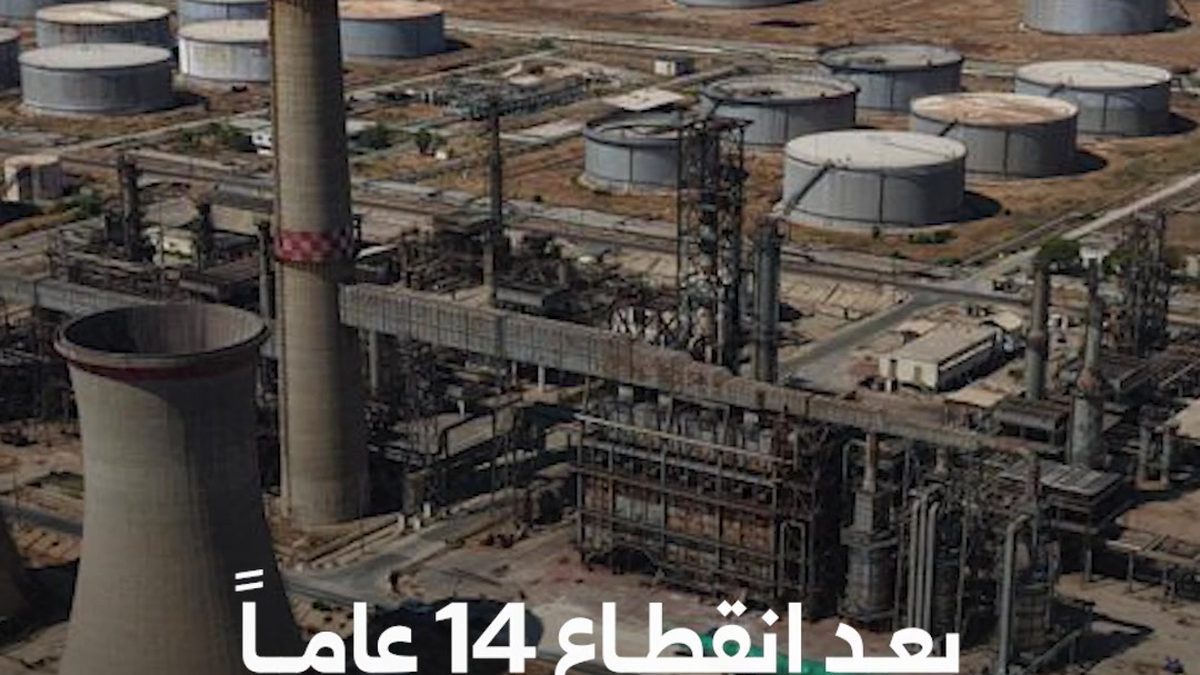
Key points
- Syria executed its first letter of credit for fuel imports via official banks
- The step aims to support steady supplies of petroleum products domestically
- The transaction marks a shift toward formal banking channels for fuel imports
- No value for the letter of credit or import volumes was disclosed
- The announcement does not mean lower fuel prices for consumers
What Is a Letter of Credit and Why It Matters for Fuel Imports
A letter of credit is a widely used trade finance instrument in which the importer's bank guarantees payment to the foreign exporter once shipping documents prove the goods were dispatched. Syria, emerging from years of conflict and sanctions-related isolation, has long struggled to finance imports through formal channels, making foreign suppliers wary of payment risk.
What Did Syria Announce About the Fuel Import Letter of Credit?
According to Syria's official news agency SANA, the country executed its first letter of credit for importing petroleum products through the official banking system. The agency described the move as a strategic step to support steady fuel supplies and strengthen financial reliability in external transactions.
Routing the transaction through official banks marks a shift away from less formal financing arrangements, which had previously limited supplier confidence and complicated the funding of fuel import deals.
Does This Mean Lower Fuel Prices in Syria?
The announcement does not in itself imply a drop in fuel prices for consumers, and neither the value of the letter of credit nor the import volumes were disclosed. The immediate impact concerns financing and credibility rather than the retail price of diesel, gasoline, or heating fuel.
- First letter of credit for fuel imports through Syria's official banking system
- Aimed at steady supply and stronger financial credibility
- Value of the credit and imported quantities were not disclosed
- No direct link announced to consumer fuel prices
What Does This Mean for Syrians?
Steady fuel supplies affect electricity generation, heating, transport, and agriculture — most aspects of daily life in Syria. If official banking channels enable more reliable deals with foreign suppliers, the effect could gradually be felt in the availability of fuel on the domestic market, independent of global price swings.
Frequently asked questions
What is a letter of credit for fuel imports?
It is a bank guarantee in which the importer's bank commits to pay the foreign exporter once shipping documents confirm the goods were sent. It is a globally accepted tool that reduces payment risk and builds supplier confidence in trade deals.
Will fuel prices drop in Syria after this letter of credit?
The announcement does not indicate a direct price reduction, and no value or import volumes were disclosed. The expected impact relates to supply continuity and financial credibility rather than retail fuel prices.
Why does using the official banking system matter for Syria?
Formal banking channels give foreign suppliers clear payment guarantees, making it easier to conclude fuel import deals and reducing the risk of supply disruptions that informal arrangements carried.
More news
Live buy, sell and mid rates, measured and published by SYPNow.
SYPNow reports news from the sources it names. Exchange rates quoted anywhere on this site come from SYPNow's own measurement, never from a third-party bulletin.