


Syria Raises Bread Subsidy to 72% With Wheat Stocks at 3.5 Million Tonnes
Syria's assistant economy minister, Maher al-Hasan, said the state now covers 72% of the cost of bread, leaving citizens to pay only 28%, while wheat stocks reached 3.5 million tonnes as of August, with 75 new bakeries set to open before year-end.
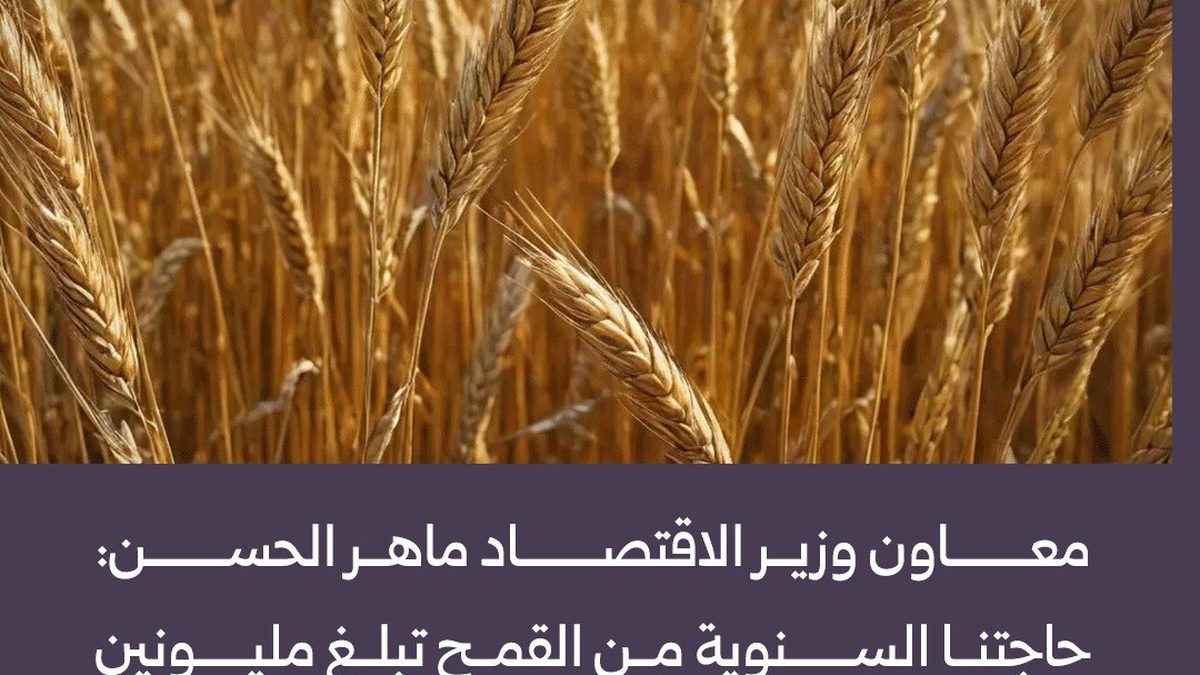
Key points
- The Syrian state covers 72% of bread costs; citizens pay 28%.
- Wheat stocks reached about 3.5 million tonnes as of August.
- Annual wheat need is 2.5 million tonnes; about 2.7 million tonnes were received this season.
- 75 new bakeries will enter service before the end of the year.
- Contracts with Saudi firms cover 4 new mills and maintenance of 4 others.
How much does Syria subsidize bread?
Syria's assistant minister of economy, Maher al-Hasan, said the government raised the bread subsidy to 72% of its real cost despite difficult conditions, meaning citizens pay only 28% of the price of a loaf. The statement did not announce any change to the consumer price of bread, but reaffirmed the size of the state subsidy on this staple.
Bread is the most sensitive item on the Syrian household table. For a country emerging from years of conflict and economic crisis, statements about bread subsidies are watched closely as a barometer of living costs and food security.
Wheat stocks and this season's harvest
Al-Hasan said Syria's annual wheat requirement is 2.5 million tonnes, and that the state received about 2.7 million tonnes this season. Wheat purchasing was halted around the end of February after procurement was completed.
Strategic wheat stocks stood at about 3.5 million tonnes as of last August, a figure that exceeds the stated annual requirement, which in principle provides coverage for the coming year according to the numbers cited.
Bakery upgrades and new Saudi-backed mills
On infrastructure, the official announced the renovation and construction of more than 150 bakeries across the country, with 75 new bakeries entering service before the end of the year, aiming to improve bread quality and expand production capacity.
Contracts have also been signed with Saudi companies to build four large flour mills and maintain four others, a step meant to strengthen the milling chain that supplies flour to bakeries.
What does this mean for Syrians?
The core message is stability in the bread file: a high subsidy rate, wheat stocks covering stated needs, and new bakeries coming online soon. The practical impact on households, however, still depends on regular distribution, shorter bakery queues, and the actual quality of bread on the market.
To strengthen oversight, the ministry said it has received more than 100 modern vehicles for supply-control officers and 400 cameras for consumer protection staff, aimed at tightening market supervision and countering fraud and price violations.
Frequently asked questions
What is the bread subsidy rate in Syria?
According to the assistant economy minister, the state covers 72% of the cost of bread while citizens pay 28%. The statement did not include any new change to the announced consumer price of bread.
How much wheat does Syria have in stock?
Syria's wheat stocks reached about 3.5 million tonnes as of August. The annual requirement is 2.5 million tonnes, and about 2.7 million tonnes were received this season.
When will new bakeries open in Syria?
The assistant economy minister said 75 new bakeries will enter service before the end of the year, part of a wider plan to renovate and build more than 150 bakeries across the country.
Who protects consumers in Syrian markets?
The economy ministry said supply-control officers received more than 100 modern vehicles and consumer protection staff received 400 cameras to strengthen supervision, transparency, and enforcement against price violations.
More news
Live buy, sell and mid rates, measured and published by SYPNow.
SYPNow reports news from the sources it names. Exchange rates quoted anywhere on this site come from SYPNow's own measurement, never from a third-party bulletin.