


Syria's Energy Ministry Orders Fuel Station Inspections With Closure Threat
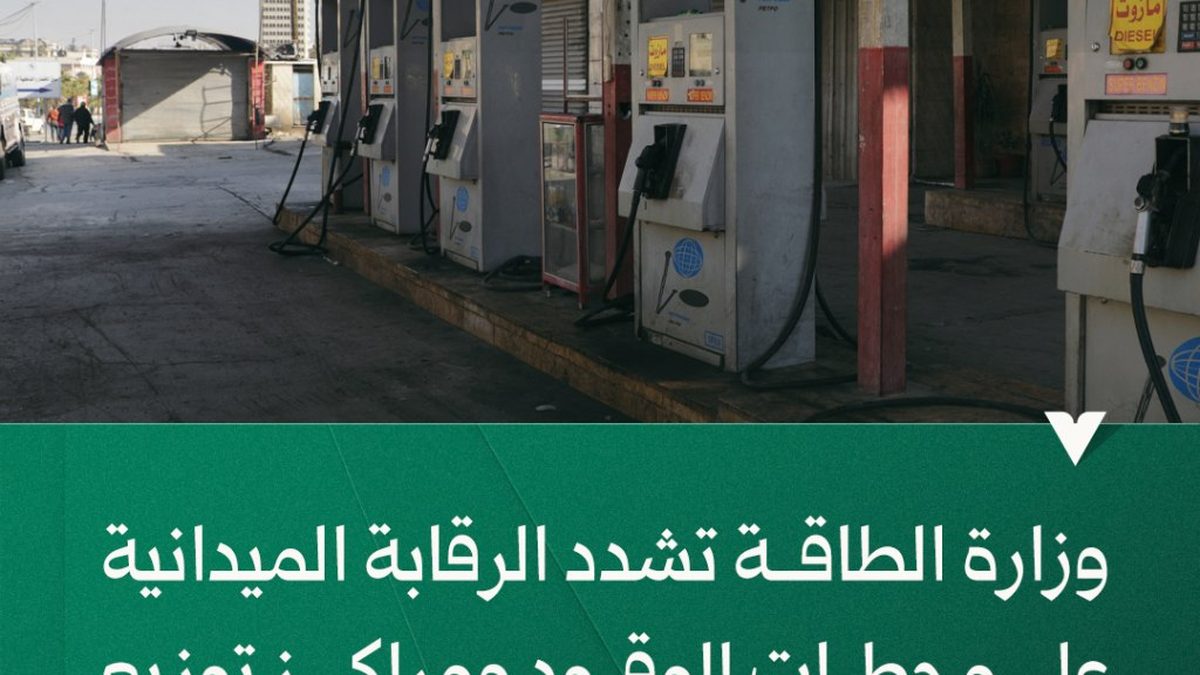
Syria's Energy Minister Mohammad al-Bashir has ordered intensified field inspections of fuel stations and gas distribution centers across governorates, warning violators of penalties that could include closure and license revocation. The directive involves no change to prices or distribution.
Key points
- Energy Minister Mohammad al-Bashir ordered intensified inspections of fuel stations and gas centers
- Targeted violations include adulteration, blending, tampering with meters and prices
- Penalties may reach station closure and license revocation
- The directive is regulatory only, with no change to prices or distribution
What Does Syria's New Fuel Inspection Directive Include?
Syria's Ministry of Energy has issued a directive ordering intensified field supervision and inspection of fuel stations and gas distribution centers across the country's governorates. The move targets practices that harm citizens' rights regarding the quantities of petroleum products they receive.
Minister of Energy Mohammad al-Bashir stressed there would be no leniency with any tampering involving fuel quantities, emphasizing the fight against violations — notably adulteration, blending of products, and manipulation of meters and prices, all practices that directly affect ordinary consumers.
In Syria, where fuel and cooking gas are daily essentials heavily regulated by the state, such inspections aim at distributor behavior rather than at pricing or allocation policies.
- Intensified field supervision and inspections across governorates
- Targeting adulteration, blending, meter and price manipulation
- Legal measures and deterrent penalties for violators
- Possible closure of stations and revocation of licenses
What Penalties Await Non-Compliant Fuel Stations?
The ministry warned that violators face legal action and deterrent penalties that could reach the closure of offending stations and the revocation of their licenses — effectively removing them from the market entirely. That represents the harshest administrative sanction available to regulators in this sector.
The escalation in tone signals an intent to move from warnings to enforcement, amid recurring consumer complaints about shorted quantities and lower-quality products being sold as compliant fuel.
What Does This Mean for Syrians?
The direct answer for consumers: nothing changes in fuel prices, distribution mechanisms, or rationing rules under this directive. It is a purely regulatory measure aimed at how stations and gas centers behave, not at any pricing or allocation figures.
If implemented, the practical benefit for citizens is protection from quantity fraud and product blending that reduces the value of what they purchase. The real impact, however, depends on sustained, nationwide field inspection rather than a one-off announcement.
How Can Fuel Station Violations Be Identified?
The violations highlighted by the ministry include tampering with pump meters so customers are charged for more fuel than they actually receive, blending lower-quality products and selling them as compliant, and charging unauthorized prices. Collectively, these practices mean consumers pay for benefits they do not fully receive.
Detecting such violations requires consistent fieldwork, which is why the intensified inspection campaign is viewed as an essential step toward any tangible effect on the market.
Frequently asked questions
Did Syria change fuel prices after the inspection directive?
No. The Energy Ministry directive is regulatory only. It concerns intensified inspections of fuel stations and gas distribution centers and includes no change to petroleum product prices, distribution mechanisms, or the rationing system in place.
What penalties can violating fuel stations face in Syria?
The Ministry of Energy threatens violators with legal action and deterrent penalties that could reach the closure of a station and permanent revocation of its license, in addition to legal prosecution of those involved in fraud or quantity tampering.
What violations does the inspection campaign target?
The campaign focuses on adulteration, blending of petroleum products, tampering with fuel pump meters, price manipulation, and any tampering with product quantities that harms citizens' rights.
Who ordered the intensified fuel station inspections?
Energy Minister Mohammad al-Bashir issued the directive, ordering intensified field supervision and inspection of fuel stations and gas distribution centers across Syrian governorates.
More news
Live buy, sell and mid rates, measured and published by SYPNow.
SYPNow reports news from the sources it names. Exchange rates quoted anywhere on this site come from SYPNow's own measurement, never from a third-party bulletin.