


Lebanon's Constitutional Council Partially Upholds Amnesty Law Challenge
Lebanon's Constitutional Council partially accepted a challenge to the general amnesty law and annulled some of its provisions for violating the constitution, imposing binding interpretive reservations that significantly narrow the crimes covered by the amnesty rather than voiding it entirely.
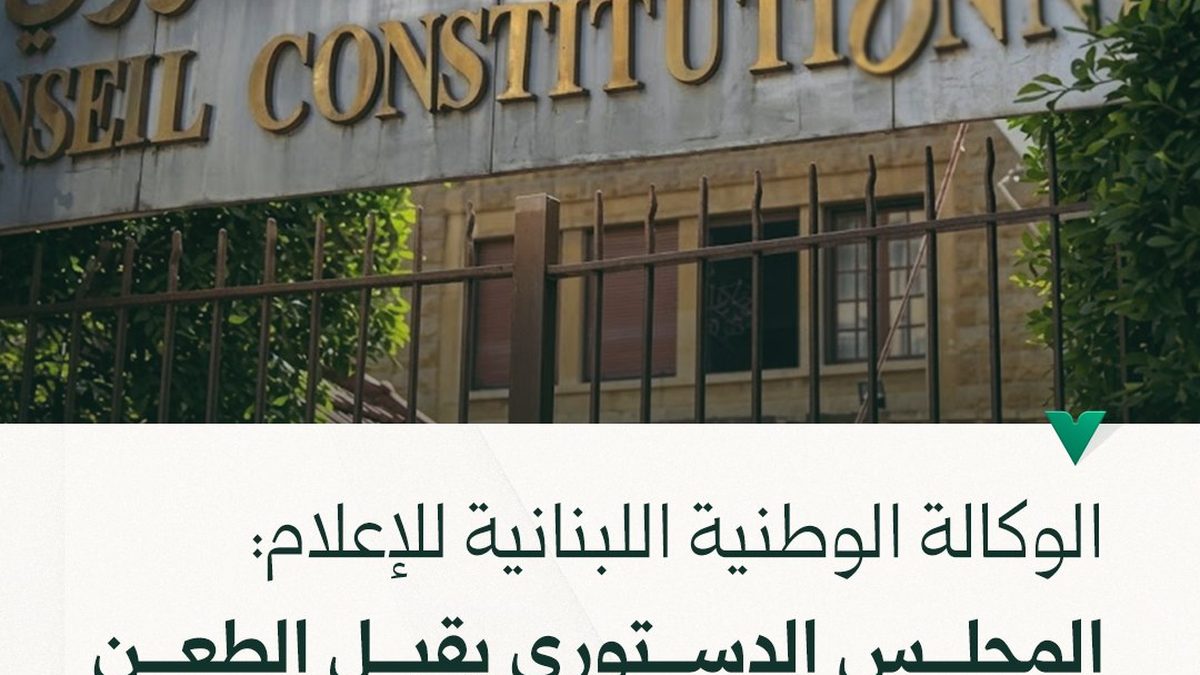
Key points
- Lebanon's Constitutional Council accepted the amnesty law challenge only partially
- Some provisions were annulled for violating the constitution
- Binding interpretive reservations significantly narrow crimes covered by the amnesty
- The council chose to fortify the law rather than strike it down entirely
- The decision draws attention from Syrians in Lebanon awaiting its implications
What Did Lebanon's Constitutional Council Decide on the Amnesty Law?
Lebanon's National News Agency reported that the Constitutional Council partially accepted the challenge filed against the general amnesty law and annulled some of the law's provisions for being unconstitutional. Lebanon's Constitutional Council is the judicial body that reviews the constitutionality of legislation, similar to supreme courts in other countries.
Why Fortify the Law Instead of Annulling It Entirely?
According to the agency, the council preferred to fortify the law by imposing a set of binding interpretive reservations that significantly narrow the crimes covered by the amnesty, instead of annulling the law entirely. Such reservations compel courts to interpret the legislation in a way that ensures its compatibility with the constitution.
What Does the Decision Mean for Syrians in Lebanon?
Lebanon hosts a large Syrian community, and the scope of its general amnesty law draws attention among Syrians whose legal cases may be affected. However, the reported text did not specify which provisions were annulled or their direct impact on Syrians, and the full ruling with details of the reservations is still awaited to know the exact scope of the amnesty.
What Happens Next After the Council's Ruling?
Following the ruling, Lebanese courts will apply the amnesty law in line with the binding interpretive reservations set by the council. The full legal picture typically becomes clear once the ruling is published and the crimes remaining covered by the amnesty are identified.
Frequently asked questions
What did Lebanon's Constitutional Council rule on the amnesty law?
The council partially accepted the challenge to the general amnesty law, annulled some provisions for violating the constitution, and imposed binding interpretive reservations that significantly narrow the crimes covered by the amnesty rather than voiding the law entirely.
Was Lebanon's amnesty law fully annulled?
No. The council chose to fortify the law through binding interpretive reservations that considerably narrow the crimes eligible for amnesty, while striking down some unconstitutional provisions.
What are binding interpretive reservations?
They are constraints set by the Constitutional Council obliging courts and authorities to interpret the amnesty law's provisions in a manner consistent with the constitution, effectively narrowing the crimes covered by the amnesty.
How does the ruling affect Syrians in Lebanon?
The reported agency text did not detail which provisions were annulled or the direct impact on Syrians; the full ruling is awaited to clarify the exact scope of the amnesty.
More news
Live buy, sell and mid rates, measured and published by SYPNow.
SYPNow reports news from the sources it names. Exchange rates quoted anywhere on this site come from SYPNow's own measurement, never from a third-party bulletin.