


Lebanon Completes Arab Gas Pipeline Works to Resume Imports via Syria
Lebanese Energy Minister Joseph Saddi announced the completion of rehabilitation work on Lebanon's section of the Arab Gas Pipeline from Tripoli to the Syrian border, paving the way to resume gas imports through Syria for electricity generation.
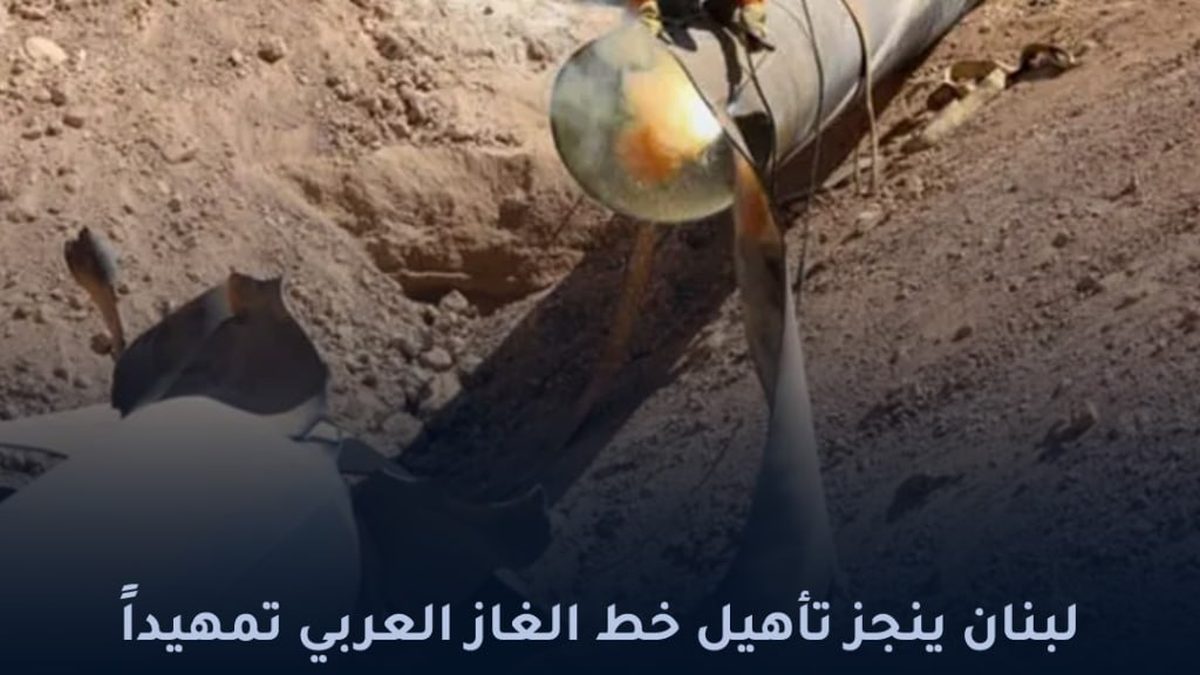
Key points
- Lebanon completed rehabilitating its Arab Gas Pipeline section from Tripoli to the Syrian border.
- The work was state-funded, with a Qatari grant covering a large share of costs.
- Gas import contracts are ready for review by the Lebanese cabinet.
- The imported gas would power electricity plants in Lebanon.
- No date was given for actual pumping, and Syria's section was not addressed.
What did Lebanon announce about the Arab Gas Pipeline?
Lebanese Energy and Water Minister Joseph Saddi, speaking to Asharq Bloomberg on the sidelines of the ADIPEC exhibition and conference in Abu Dhabi, announced the completion of rehabilitation work on Lebanon's section of the Arab Gas Pipeline, which runs from the coastal city of Tripoli to the Syrian border. The Arab Gas Pipeline is a regional network that transports natural gas between Arab countries, and Syria serves as a transit country on this route.
Saddi said the work was financed by the Lebanese state, alongside a Qatari grant that covered a large portion of the cost — a sign of Gulf interest in reviving this energy corridor, which ultimately depends on its Syrian stretch becoming operational.
Import contracts and the cabinet hurdle
The minister said gas import contracts are now ready to be presented to Lebanon's council of ministers, expressing hope that an agreement to resume imports could be reached soon. The next step is therefore political and administrative: securing government approval before the contracts can be signed and activated.
Notably, the statements gave no date for actual pumping to resume, and no arrangements were mentioned regarding rehabilitation of the Syrian section of the pipeline, leaving the project's full timeline dependent on future developments.
What does this mean for Syria and Syrians?
For Syria, any move toward restarting the pipeline revives the question of transit fees and economic benefits Damascus could earn from hosting the route. Syria is an essential transit country for the line, meaning Lebanese imports cannot flow without a functioning Syrian stretch.
For the hundreds of thousands of Syrians living in Lebanon, more gas for Lebanese power plants could eventually translate into improved electricity supply there. Rehabilitating the Syrian section, if agreed, could also create potential jobs inside Syria along the pipeline's route.
Frequently asked questions
Has Lebanon finished rehabilitating the Arab Gas Pipeline?
Yes. Lebanese Energy Minister Joseph Saddi announced the completion of rehabilitation work on Lebanon's section of the pipeline, running from Tripoli to the Syrian border, funded by the state with a Qatari grant covering a large share of costs.
When will Lebanon resume gas imports through Syria?
No official date has been given. The minister said import contracts are ready for cabinet review and expressed hope for a near-term agreement, but actual pumping depends on further steps.
Why does Lebanon want gas through Syria?
The stated goal is to use imported natural gas to run electricity generation plants in Lebanon, as the country seeks to improve its chronically strained power supply.
Was the Syrian section of the pipeline included?
No. The announcements covered only the Lebanese section from Tripoli to the border, with no arrangements mentioned for rehabilitating the pipeline's Syrian stretch.
More news
Live buy, sell and mid rates, measured and published by SYPNow.
SYPNow reports news from the sources it names. Exchange rates quoted anywhere on this site come from SYPNow's own measurement, never from a third-party bulletin.