


Syria Education Council Merges Rojava University Into Euphrates University and Moves Kobani Campuses to Aleppo
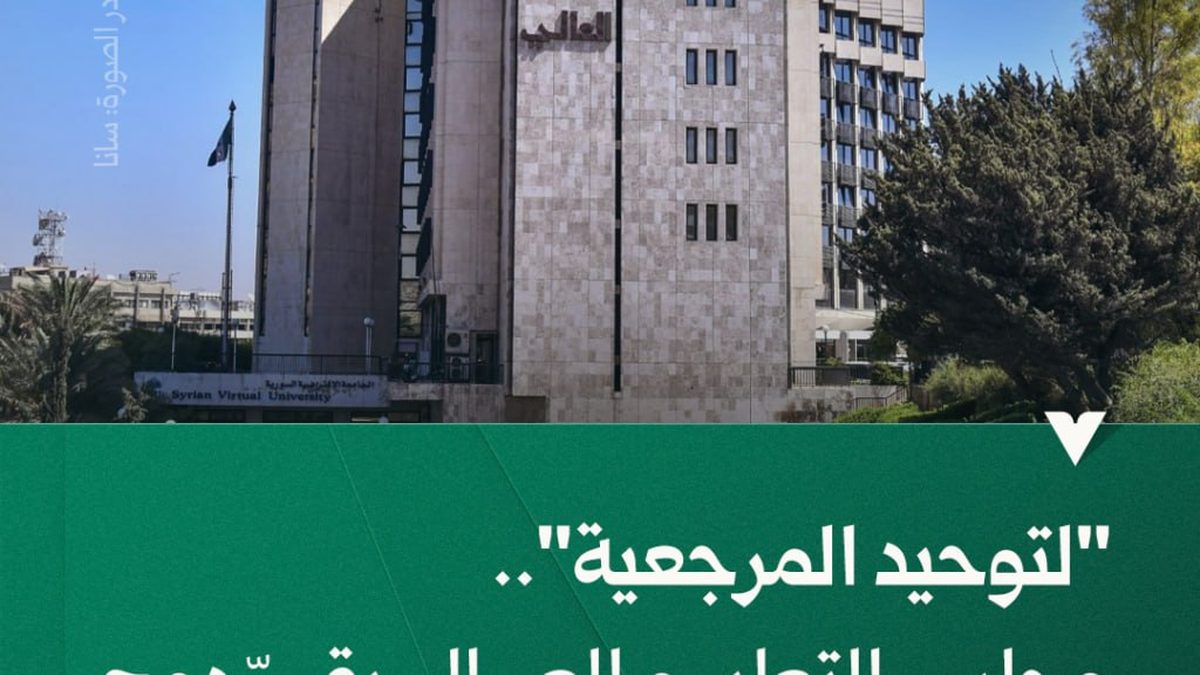
Syria's Education Council has issued decisions unifying higher-education institutions, merging Rojava University in Qamishli into Euphrates University and placing health sciences universities in RAI and Kobani, plus a Gaziantep branch, under Aleppo University.
This article is shown in English; SYPNow publishes its newsroom in Arabic and English only.
Key points
- Rojava University in Qamishli and its colleges merged into Euphrates University
- Health sciences universities in RAI and Kobani merged into Aleppo University
- A Gaziantep university branch and its colleges also joined Aleppo University
- The decision aims to unify higher-education governance across Syria
- Impact on current students and previously issued diplomas remains unannounced
What did Syria's Education Council decide on university mergers?
Syria's Education Council, the body overseeing national education policy, has issued decisions to unify the governance of higher-education institutions across the country. The measures transfer a group of universities in northern Syria, which previously operated under separate authorities following years of division, under two established institutions: Aleppo University and Euphrates University.
- The health sciences university in RAI merged into Aleppo University
- The health sciences university in Ain al-Arab (Kobani) merged into Aleppo University
- A branch of Gaziantep University and its colleges merged into Aleppo University
- Rojava University in Qamishli and its colleges merged into Euphrates University
Rojava University merged into Euphrates University
Under the decision, Rojava University in the city of Qamishli, along with all colleges affiliated with it, is merged into Euphrates University. The move transfers its students and academic structures to a new institutional umbrella, redrawing the map of higher education in Syria's northeast and placing it under a unified national authority.
Kobani and RAI campuses join Aleppo University
The council also merged the health sciences university in the town of RAI and its counterpart in Ain al-Arab, widely known as Kobani, into Aleppo University. A branch of Gaziantep University and its affiliated colleges were included in the same measure, making Aleppo University the academic authority for these institutions in northern Syria.
What does this mean for Syrian students?
The decision is an administrative and academic reassignment, and no details have yet been announced regarding its impact on current students or on diplomas previously issued by the affected universities. Students and graduates are awaiting official clarification on how enrolment records will transfer and whether earlier degrees will remain recognized. New registrations and future diplomas are expected to be issued under the names of the receiving universities, pending implementing instructions from the Education Council.
Frequently asked questions
Is Rojava University now part of Euphrates University?
Yes. Syria's Education Council decided to merge Rojava University in Qamishli and its affiliated colleges into Euphrates University, placing them fully under its authority as part of unifying higher-education governance in Syria.
What happens to Kobani's university after the merger?
The health sciences university in Ain al-Arab (Kobani) was merged into Aleppo University, together with the health sciences university in RAI and a Gaziantep University branch with its affiliated colleges.
Will previous diplomas remain valid after the mergers?
No official details have been announced yet on the effect of the mergers on previously issued diplomas or on current students. Further instructions are expected to clarify these points.
Why did Syria unify its universities?
The Education Council's decision aims to unify the governance of higher-education institutions across Syria after years of divided authorities in the north, bringing them under Aleppo University and Euphrates University.
More news
Live buy, sell and mid rates, measured and published by SYPNow.
SYPNow reports news from the sources it names. Exchange rates quoted anywhere on this site come from SYPNow's own measurement, never from a third-party bulletin.