


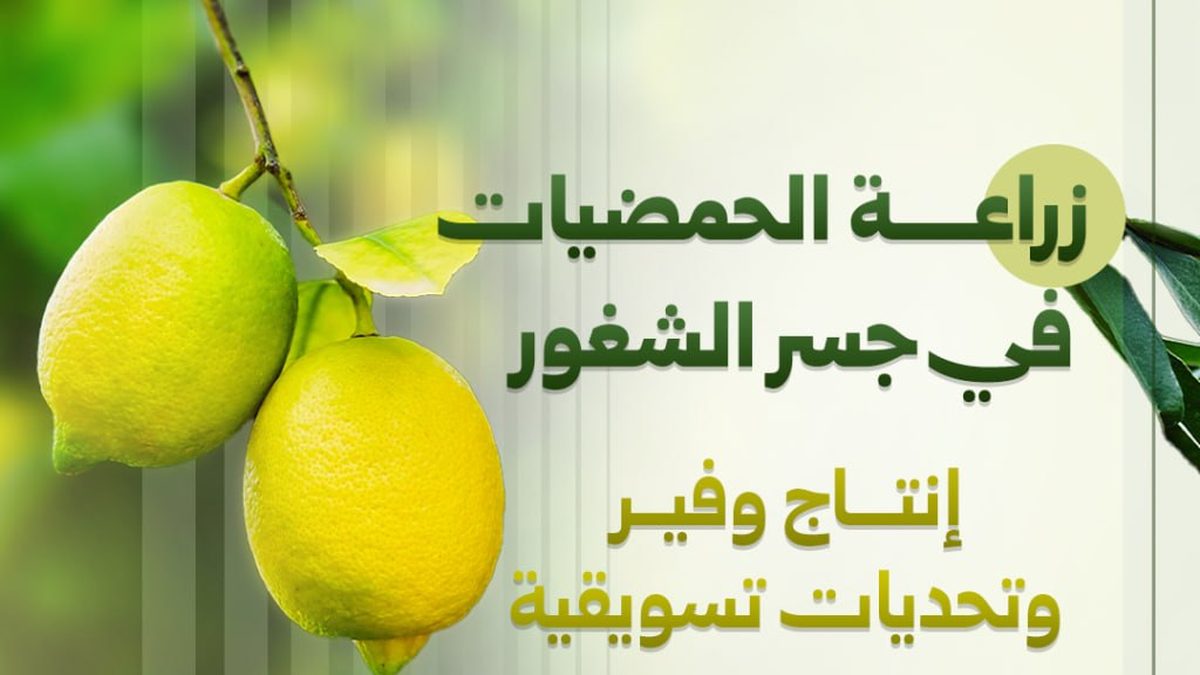
Citrus Farmers in Jisr al-Shughur Leave Fruit on Trees as Harvest and Transport Costs Climb
Citrus farmers in Jisr al-Shughur, in the western countryside of Idlib in northwest Syria, are struggling to market their crops despite abundant production. Low sale prices combined with high harvest and transport costs have pushed some growers to leave fruit on the trees.
This article is shown in English; SYPNow publishes its newsroom in Arabic and English only.
Key points
- Citrus production is abundant this season in Jisr al-Shughur, western Idlib countryside.
- Low sale prices fail to cover harvest and transport costs.
- Some farmers have left their fruit unpicked on the trees.
- The report contains no announcement of new subsidies or loans.
Why Is Citrus Left Unpicked in Jisr al-Shughur?
Jisr al-Shughur, a town in the western countryside of Idlib province in northwest Syria, is a known citrus-growing area where orchards sustain many local families. This season has produced a painful paradox: the orchards are visibly abundant, yet farmers are struggling to sell their crops. Abundant harvest alone does not guarantee income when buyers are scarce and the prices on offer are extremely low.
High Harvest and Transport Costs Meet Low Sale Prices
The core problem is an inverted equation: market sale prices are low, while the costs of picking the crop and transporting it to market are high. A farmer may face two losing options — harvest and spend more on transport than the crop will earn, or leave the fruit on the trees and lose the harvest entirely without additional spending. This reality has already led a number of growers to abandon their fruit unpicked.
What Does This Mean for Syrians?
For readers unfamiliar with Syria's local economy, this is not only a farmer's problem. Seasonal workers who depend on the harvest for income, transport operators, traders and ultimately market consumers are all part of the chain affected. Fruit left on trees also represents a complete loss of food production at a time when the local economy needs every possible source of income. The question now on the table is what solutions could support farmers and improve crop marketing.
Are There Proposed Solutions to Support Farmers?
The report documents conditions on the ground and does not include any announced decision on subsidies or new lending by any authority. Still, the scale of the problem raises questions about possible remedies — from improving marketing channels and widening access to larger markets, to any future support mechanisms that could narrow the gap between production costs and sales revenue. Any development in this direction remains subject to official announcements, should they come.
Frequently asked questions
Why are citrus farmers leaving fruit on the trees in Syria?
Because available sale prices are too low to cover the costs of picking and transporting the crop. Farmers find that harvesting and marketing would bring an additional loss, so some choose to leave the fruit unpicked in Jisr al-Shughur's orchards.
Where is Jisr al-Shughur and why does it matter?
Jisr al-Shughur is a town in the western countryside of Idlib province in northwest Syria. It is a known citrus-growing region whose orchards are a source of income for many local families.
Has the government announced support for citrus farmers?
No. The report documenting the farmers' situation does not include any announcement of new subsidies or loans. The current situation involves marketing difficulties and low prices against high harvest and transport costs.
What challenges does Syria's citrus sector face this season?
The main challenges are difficulty marketing the crop despite abundant production, low sale prices, and high harvest and transport costs — factors that together have pushed some farmers to abandon their fruit.
More news
Live buy, sell and mid rates, measured and published by SYPNow.
SYPNow reports news from the sources it names. Exchange rates quoted anywhere on this site come from SYPNow's own measurement, never from a third-party bulletin.