


Hasakah's Jabal Kaukab Fumes Traced to Buried Waste Dump and Recent Burning
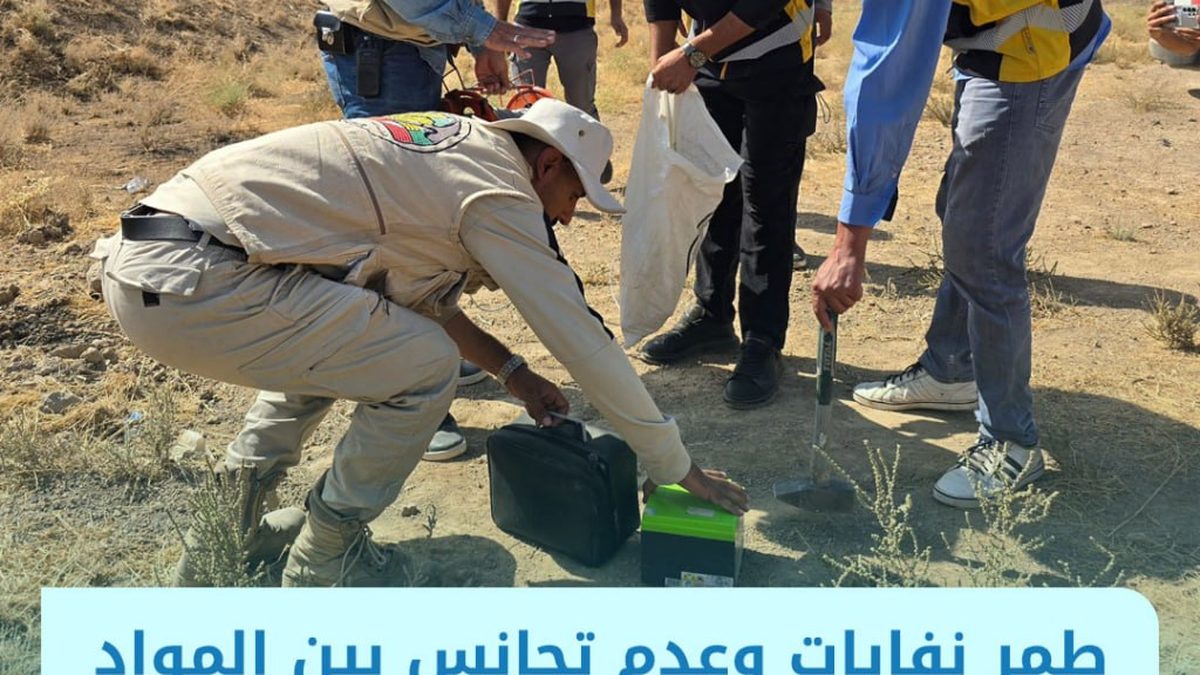
Syria's Ministry of Emergency and Disaster Management released the technical report of a joint committee that inspected Jabal Kaukab east of Hasakah city, where fumes had been rising. The report attributed the emissions to human factors: a waste dump buried under soil berms and recent burning at the site.
This article is shown in English; SYPNow publishes its newsroom in Arabic and English only.
Key points
- A joint committee carried out a field inspection at Jabal Kaukab east of Hasakah
- The report attributed the fumes to human activity, not natural causes
- The site contains a waste dump buried under earthen berms with non-uniform materials
- The report documented recent burning in the area
- No remediation or prevention plan has been announced so far
What the joint committee report found at Jabal Kaukab
Syria's Ministry of Emergency and Disaster Management issued the technical report of a joint committee assigned to study the phenomenon of rising fumes in the Jabal Kaukab area east of Hasakah city, following a field inspection of the site and its surroundings. Hasakah is a governorate in northeastern Syria.
The report concluded that the emissions most likely stem from human activity: the area contains a waste dump that was buried under earthen berms, with a lack of uniformity among the materials buried beneath them, in addition to recent burning that took place at the site.
Why buried waste can produce rising fumes
The committee's explanation rests on the dump's composition. When heterogeneous waste is buried under soil berms without sorting or treatment, it can continue to decompose and react, releasing gases and fumes that migrate toward the surface, particularly as heat builds inside the accumulated waste mass.
The report added that the documented occurrence of recent burning in the area reinforced the conclusion that the emissions are directly man-made, whether from open burning or from reactions inside the buried dump. This means the phenomenon could recur unless its causes are addressed.
What this means for local residents
For residents of the Hasakah area, the report means the source of the fumes is no longer a mystery, and official bodies now have a field-based technical diagnosis of the problem, which is typically the first step before any remedial action on the ground.
However, as published, the report only attributed the phenomenon to human factors, and no plan has yet been announced to treat the dump or prevent recurring emissions. That leaves residents near Jabal Kaukab with unanswered questions about a remediation timeline and about enforcement to stop burning at the site.
Frequently asked questions
What caused the fumes at Jabal Kaukab in Hasakah
A technical report by a joint committee, issued through Syria's Ministry of Emergency and Disaster Management, attributed the emissions to human factors: a waste dump buried under earthen berms in the area east of Hasakah, combined with recent burning at the site.
Are the Jabal Kaukab fumes natural or man-made
Based on the field inspection and technical report, the most likely explanation is that the emissions are man-made, resulting from non-uniform materials buried in the waste dump and from recent burning documented in the area.
Has a cleanup plan been announced for the waste dump
No plan to treat the dump or prevent recurring emissions has been announced so far. The report provided an initial attribution of the source without implementation details or a remediation timeline.
Who issued the Jabal Kaukab fumes report
Syria's Ministry of Emergency and Disaster Management released the technical report of the joint committee assigned to study the phenomenon, following a field inspection of the area east of Hasakah city.
More news
Live buy, sell and mid rates, measured and published by SYPNow.
SYPNow reports news from the sources it names. Exchange rates quoted anywhere on this site come from SYPNow's own measurement, never from a third-party bulletin.