


Dense Fog Warning Across Wide Areas of Syria Urges Postponing Night Travel
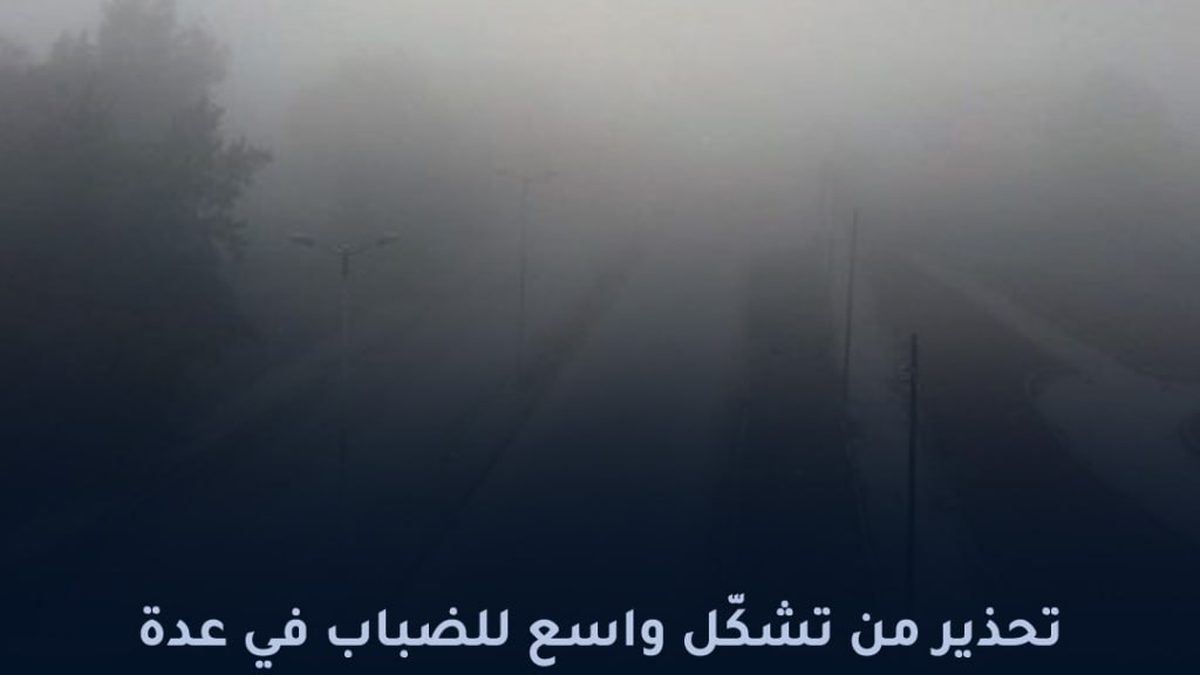
Syria's Ministry of Emergency and Disaster Management has warned of widespread dense fog forming after midnight Tuesday into Wednesday morning across Idlib, Homs, Hama, the coastal mountains and the Damascus countryside. The early warning department urged drivers to avoid night travel unless necessary.
This article is shown in English; SYPNow publishes its newsroom in Arabic and English only.
Key points
- Dense fog expected after midnight Tuesday and Wednesday morning across wide parts of Syria
- Affected areas include Idlib, Homs, Hama, the coastal mountains, Damascus countryside, and parts of Daraa, Quneitra and Sweida
- Drivers advised to avoid night and early-morning travel unless necessary
- Check brakes, windshield wipers and fog lights before setting off
- The warning is precautionary and does not mean road closures or an official travel ban
Where and When Will Dense Fog Form in Syria?
Syria's Ministry of Emergency and Disaster Management, a government body responsible for hazard warnings, issued an alert for widespread fog formation after midnight Tuesday and into Wednesday morning. The affected areas include Idlib, Homs, Hama, the coastal mountains, and the northern and western Damascus countryside, extending to parts of Daraa, Quneitra and Sweida. The fog is expected to significantly reduce horizontal visibility on roads.
The warning came from the ministry's early warning and preparedness department and was published by the Syrian Civil Defense on its official Telegram channel. It is a precautionary advisory aimed at protecting road users and does not involve road closures or an official ban on travel.
Safe Driving Tips in Dense Fog
The ministry urged drivers to avoid traveling during night and early-morning hours unless absolutely necessary, and to verify their vehicles are roadworthy before departure — particularly the brakes, windshield wipers and fog lights — since these are the elements that determine a driver's ability to cope with poor visibility.
- Reduce speed and drive cautiously
- Use fog lights while on the road
- Stay within designated lanes
- Keep a safe following distance between vehicles
- Avoid sudden stops on the road
- Exercise extra caution at curves, slopes and road junctions
What Does This Mean for Travelers in Syria?
Anyone planning night or early-morning travel between the provinces covered by the warning — especially on intercity and mountain roads — is advised to postpone the trip until visibility improves and the fog lifts. The hours after midnight through early morning are the most prone to dense fog formation, making them the riskiest for driving.
For those whose journeys are unavoidable, the core rules are reduced speed, a safe following distance and reliance on fog lights rather than high beams, since fog reflects strong light and worsens visibility instead of improving it. Travelers are also encouraged to follow updates from the Syrian Civil Defense before setting out.
Frequently asked questions
When will dense fog form in Syria?
According to the Ministry of Emergency and Disaster Management, dense fog will form after midnight Tuesday and continue into Wednesday morning, significantly reducing horizontal visibility on roads in the areas covered by the warning.
Which areas of Syria are affected by the fog warning?
The warning covers Idlib, Homs, Hama, the coastal mountains, and the northern and western Damascus countryside, extending to parts of Daraa, Quneitra and Sweida, as published by the Syrian Civil Defense on its Telegram channel.
Should I postpone travel because of the fog?
The official recommendation is to avoid night and early-morning travel unless necessary. The warning is precautionary and does not mean road closures or a travel ban, but reduced visibility makes driving in these hours more dangerous.
How do I drive safely in dense fog?
Slow down, turn on fog lights, stay in designated lanes, keep a safe distance from the vehicle ahead, avoid sudden stops, and pay extra attention at curves, slopes and road junctions, according to the ministry's guidance.
More news
Live buy, sell and mid rates, measured and published by SYPNow.
SYPNow reports news from the sources it names. Exchange rates quoted anywhere on this site come from SYPNow's own measurement, never from a third-party bulletin.